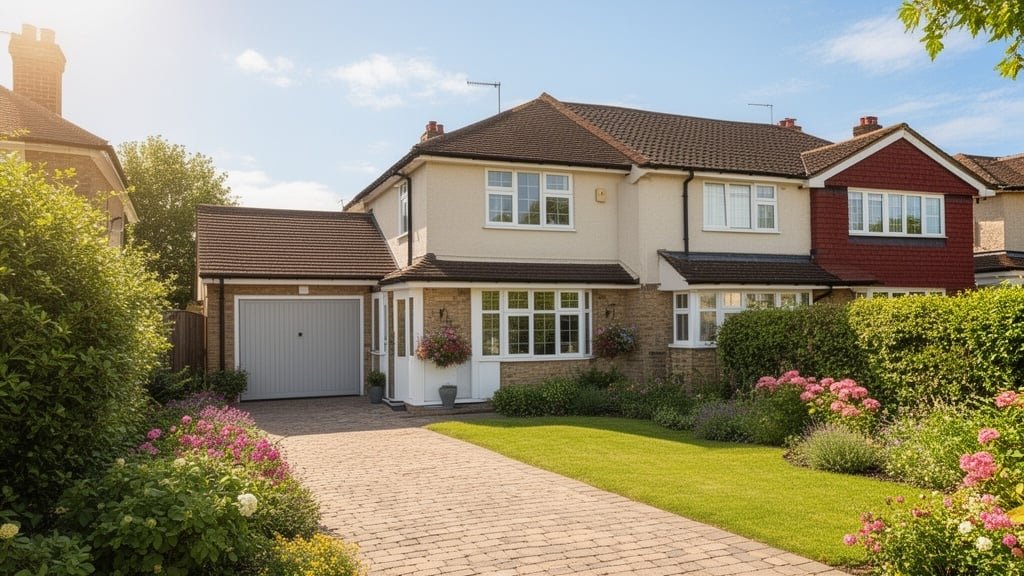
Semi-detached houses represent one of the most popular property types in the UK, offering a balance between privacy, space, and affordability. However, the shared party wall and connected structure mean semi-detached properties have unique considerations that require careful assessment during a home survey.
At My Home Buyers Survey, we conduct hundreds of semi-detached house surveys every year across the UK. Our RICS-accredited surveyors understand the specific issues that affect semi-detached properties and know exactly what to examine to ensure you're making a sound investment. In this guide, we'll explain what to expect from a semi-detached house survey and highlight the key areas our surveyors assess. For broader information, see our Complete Guide to Home Surveys.
What Makes Semi-Detached Houses Unique?
Semi-detached houses share one common wall with a neighboring property while remaining independent on all other sides. This design creates specific structural, acoustic, and legal considerations that don't apply to detached or terraced properties.
The Party Wall: The shared wall between the two properties is the defining feature of a semi-detached house. This party wall typically runs from the foundations up through the roof structure, creating an integral connection between the two properties. Understanding the condition and construction of this party wall is crucial when buying a semi-detached house.
Shared Structures: Beyond the party wall, semi-detached houses may share other structural elements including foundations, chimney stacks, drainage systems, and occasionally roof structures. Any issues affecting these shared elements can impact both properties and may require coordination with neighbors to address.
Mirror-Image Layouts: Many semi-detached houses are built as mirror images of each other, particularly in post-war developments. However, subsequent alterations and extensions may have created significant differences between neighboring properties that affect their structural behavior and condition.
Why Semi-Detached Houses Need Proper Surveys
While semi-detached houses are generally well-built and reliable, several factors make a thorough home survey essential:
Party Wall Issues: Problems with the shared wall may not be immediately apparent but can lead to significant expense and neighbor disputes. Our surveys assess party wall condition, looking for signs of structural movement, moisture penetration, and inadequate fire separation.
Differential Settlement: When one semi-detached property settles or moves at a different rate than its neighbor, stress can develop in the party wall. Our surveyors look for evidence of differential movement that could indicate foundation problems or ongoing structural issues.
Sound Transmission: Older semi-detached properties may have inadequate sound insulation in the party wall. While not a structural concern, poor acoustic separation can significantly affect your quality of life. Our surveys can comment on party wall construction and likely sound transmission characteristics.
Key Areas Assessed in Semi-Detached House Surveys
My Home Buyers Survey conducts comprehensive assessments of semi-detached properties, focusing on these critical areas:
Party Wall Structure and Condition
The party wall receives particular attention during our surveys. Our RICS surveyors assess:
- Structural integrity: Signs of cracking, leaning, or movement in the party wall
- Moisture penetration: Damp patches or staining that could indicate water ingress through the party wall
- Fire separation: Whether the party wall provides adequate fire resistance between the two properties
- Construction type: Whether the party wall is solid brick, cavity, or other construction
- Previous alterations: Any modifications to the party wall such as doorways, flues, or structural openings
External Walls and Envelope
The three external walls of a semi-detached property can experience different conditions than the party wall:
- Cavity wall construction: Most post-1930s semi-detached houses have cavity walls that should be checked for tie failure and damp penetration
- Rendering and cladding: External finishes may be hiding defects or causing moisture trapping
- Window and door openings: Lintels, sills, and frames should be checked for defects and proper installation
- Differential weathering: One side of the property may experience more exposure to weather than the other
Roof Structure and Covering
Semi-detached properties typically have either separate roof structures or a continuous roof spanning both properties:
- Roof covering condition: Tiles, slates, or other materials assessed for defects and remaining lifespan
- Party wall flashing: The junction between the roof and party wall is a common point of water ingress
- Chimney stacks: Shared chimneys require assessment of both structure and flaunching
- Roof structure: Rafters, purlins, and ceiling joists checked for defects, alterations, and adequate support
- Roof space insulation: Thermal performance and any condensation issues
Foundations and Substructure
The foundations of semi-detached properties may be shared or separate depending on construction period:
- Settlement patterns: Evidence of foundation movement affecting either property
- Ground conditions: Clay soils, made ground, or other factors affecting foundation stability
- Drainage near foundations: Defective drains can undermine foundations and cause settlement
- Tree proximity: Trees near semi-detached properties can cause subsidence, particularly on clay soils
Extensions and Alterations
Many semi-detached houses have been extended, often differently from the neighboring property:
- Single-storey extensions: Rear extensions are common and should be checked for proper construction and tie-in to the main house
- Loft conversions: Structural adequacy of converted roof spaces
- Building regulation compliance: Whether extensions appear to comply with building standards
- Party wall agreements: Whether proper notices were served for work affecting the party wall
Common Issues in Semi-Detached Houses
Our surveys of semi-detached properties frequently identify several recurring issues that buyers should be aware of:
Party Wall Cracking and Movement
Cracks in or near the party wall are among the most common findings in semi-detached house surveys. These cracks can result from:
- Differential settlement between the two properties
- Thermal movement due to different heating patterns in each house
- Structural alterations in one property affecting the party wall
- Historic movement that has now stabilized
Our surveyors assess whether cracking is historic or ongoing and advise on the need for monitoring or remedial work.
Damp and Moisture Issues
Semi-detached properties can experience various damp problems:
- Party wall penetration: Water can penetrate through the party wall from the neighboring property
- Exposed gable wall: The gable end wall may be more exposed to driving rain than walls in terraced properties
- Inadequate damp-proof course: Particularly common in pre-1945 semi-detached houses
- Condensation: Poor ventilation can lead to condensation and mold growth
Drainage and External Works
Drainage systems in semi-detached properties may be shared or separate:
- Shared drains: Blockages or damage can affect both properties
- Surface water drainage: Inadequate drainage can cause damp problems and foundation issues
- Boundary issues: Unclear responsibility for maintaining shared drainage
Acoustic Performance
Sound insulation through party walls varies significantly based on construction period and type:
- Pre-1945 properties: Solid party walls typically provide good sound insulation
- 1945-1990s properties: Cavity party walls may provide poor acoustic separation
- Post-2000 properties: Building regulations require improved acoustic performance
While our surveys don't include acoustic testing, we can comment on party wall construction and likely sound transmission characteristics based on our experience.
What Level of Survey for a Semi-Detached House?
The appropriate survey level depends on the age, condition, and complexity of the semi-detached property:
RICS Level 2 Survey (HomeBuyer Report): Suitable for modern semi-detached houses in reasonable condition, typically those built after 1960 using standard construction methods. This survey level covers all major elements including the party wall and costs between £400-£900 depending on property value and location.
RICS Level 3 Survey (Building Survey): Recommended for older semi-detached houses, properties showing signs of structural issues, or houses that have been significantly altered or extended. The comprehensive Level 3 survey provides detailed information about all elements and is particularly valuable when party wall issues are suspected. Expect to pay £600-£1,400 for a Level 3 survey of a typical semi-detached house.
At My Home Buyers Survey, we can advise on the most appropriate survey level based on the property's characteristics and your concerns.
Legal Considerations for Semi-Detached Properties
Semi-detached properties have some unique legal aspects that interact with the survey process:
Party Wall Act 1996
The Party Wall Act governs works affecting party walls, party structures, and excavations near boundaries. If you plan renovations or extensions affecting the party wall, you must serve notice on your neighbor and potentially arrange a party wall agreement.
Our surveys identify structural work that may have required party wall notices, though establishing whether notices were properly served is part of your solicitor's conveyancing process.
Covenants and Restrictions
Many semi-detached properties have restrictive covenants affecting alterations, use, and maintenance. Your solicitor will investigate these, but our surveys can flag alterations that may breach typical covenants such as:
- Conversions of the property to flats
- Business use restrictions
- Restrictions on external alterations
Shared Responsibility
Certain elements may be jointly owned or require shared maintenance:
- Shared drainage systems
- Party wall maintenance and repairs
- Shared access routes or driveways
Using Your Survey Report
Once you receive your My Home Buyers Survey report, you can use the information to:
Negotiate the Purchase Price: Significant defects, particularly those affecting the party wall or requiring coordination with neighbors, may justify a price reduction. Our detailed reports provide evidence to support negotiations.
Plan Future Work: Understanding the property's condition helps you budget for maintenance and improvements. Party wall issues may require agreement with neighbors before proceeding with repairs.
Arrange Specialist Inspections: Our survey may recommend further investigations such as structural engineer assessments, drainage surveys, or electrical inspections. Acting on these recommendations before completion protects your investment.
Make Informed Decisions: Some buyers decide not to proceed with a purchase based on survey findings. This is especially common when party wall issues suggest ongoing disputes or expensive repairs requiring neighbor cooperation.
Maintaining Your Semi-Detached Property
Regular maintenance is essential to preserve your semi-detached house and prevent defects developing:
- Annual inspections of roof covering, gutters, and party wall flashing
- Prompt repair of any cracks or defects in the party wall
- Maintaining good relations with neighbors for coordinated maintenance of shared elements
- Periodic drainage inspection and clearing
- Monitoring for any signs of structural movement, especially after dry summers
Why Choose My Home Buyers Survey for Your Semi-Detached House?
When buying a semi-detached property, you need surveyors who understand the specific issues these houses face. My Home Buyers Survey offers:
- Specialist expertise: Our RICS-accredited surveyors have extensive experience with semi-detached properties
- Comprehensive party wall assessment: We pay particular attention to the shared wall and its implications
- Clear reporting: Our reports explain findings in plain English with photographs and diagrams
- Competitive pricing: Professional surveys at fair prices with no hidden fees
- Fast turnaround: Reports typically delivered within 5-7 working days of inspection
Book Your Semi-Detached House Survey Today
Don't take chances with your semi-detached house purchase. A professional home survey from My Home Buyers Survey gives you the knowledge and confidence to make an informed decision. Our RICS-accredited surveyors will thoroughly assess the property, paying particular attention to the party wall and other features unique to semi-detached houses.
Contact us today through the form below to arrange your semi-detached house survey. We offer competitive prices, professional service, and comprehensive reporting that helps you understand exactly what you're buying.
Book Your Semi-Detached House Survey
Expert assessment from RICS-accredited surveyors