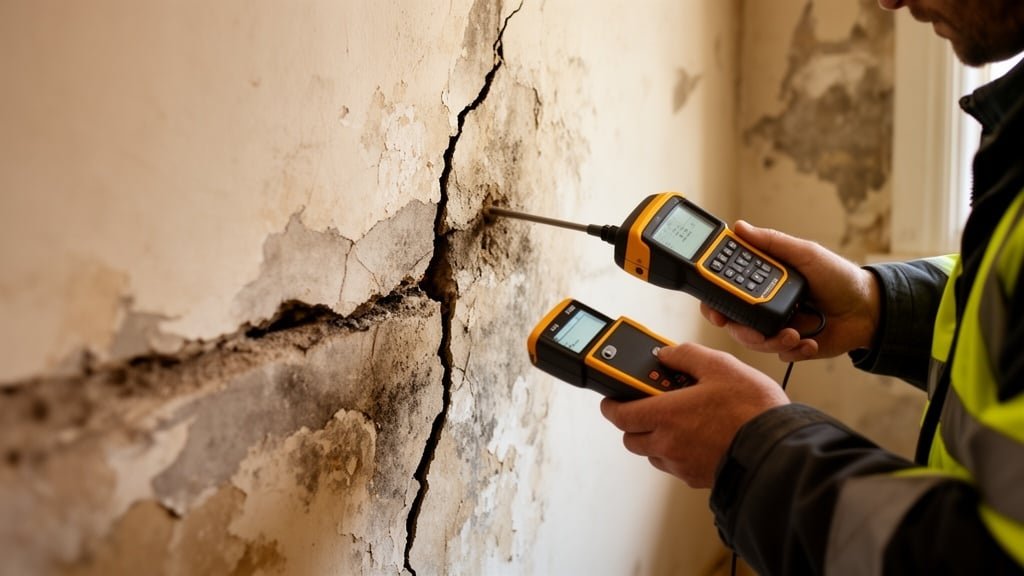
My Home Buyers Survey helps you choose between a RICS Level 2 and Level 3 survey. The decision affects both your survey cost and the level of detail you receive about the condition of your property. For a complete overview, see our Complete Guide to Home Surveys.
Understanding the Key Differences
When you're buying a house, choosing the right type of survey is crucial. The two most common options are the RICS home survey Level 2 (homebuyer report) and the Level 3 building survey (full structural survey). Let me break down exactly what each offers.
RICS Level 2 Home Survey (Homebuyer Report)
The RICS Level 2 survey is the most popular choice for conventional properties. It's designed for typical homes in reasonable condition and provides a good balance of detail and value.
What's included in a Level 2 survey:
- Visual inspection of all accessible areas
- Traffic light rating system for defects
- Market valuation and insurance rebuild costs
- Advice on repairs and ongoing maintenance
- Assessment of major elements (roof, walls, floors, services)
- 20-30 page report in standardized RICS format
Level 3 Building Survey (Structural Survey)
The Level 3 building survey is the most comprehensive type of survey. It provides in-depth analysis and is essential for older properties or those in poor condition.
What's included in a Level 3 survey:
- Extensive inspection of all accessible areas
- Detailed analysis of construction and materials
- In-depth assessment of all defects and causes
- Specific advice on repairs, costs, and priorities
- Evaluation of building services
- 40-60+ page detailed report with photographs
- Bespoke report format tailored to your property
When to Choose a Level 2 Survey
A RICS Level 2 homebuyer survey is suitable when you're buying:
- A conventional house built within the last 100 years
- A property in reasonable condition
- Standard construction (brick/block walls, tiled roof)
- A semi-detached or terraced home - learn about semi-detached surveys
- A property without obvious major defects
I recommended a Level 2 survey to Emma, who was buying a 1960s semi-detached house. The property looked well-maintained, but the survey revealed £8,000 worth of issues including roof repairs and damp problems. Emma used the survey report to negotiate a price reduction.
When to Choose a Level 3 Survey
A Level 3 building survey is essential when you're buying:
- A property built before 1900
- A listed building or period property
- A home in poor or dilapidated condition
- Unusual construction or non-standard materials
- A property you're planning to renovate
- Any home with visible structural problems
Cost Comparison: Is Level 3 Worth the Extra Money?
The house survey cost varies significantly between levels:
- Level 2 Survey: £450-£800 (depending on property value)
- Level 3 Survey: £750-£1,500+ (depending on complexity)
The Level 3 survey costs more, but for older or complex properties, it's worth every penny. Last year, I surveyed a Victorian terrace where the Level 3 survey identified £30,000 worth of structural issues. The buyer renegotiated and saved £25,000 off the purchase price.
Making Your Decision
Still unsure which survey you need? Consider these questions:
- When was your property built? (Pre-1900 suggests Level 3)
- What's the condition? (Poor condition needs Level 3)
- Are you planning major works? (Level 3 provides renovation guidance)
- Is it standard construction? (Yes = Level 2, No = Level 3)
- What's your budget? (Level 2 is more affordable)
Quick Decision Guide
Choose Level 2 if:
- Property built after 1900
- Standard construction and good condition
- You want good value and comprehensive information
Choose Level 3 if:
- Property built before 1900
- Poor condition or unusual construction
- Planning major renovation or extension
- You want maximum detail and peace of mind
For detailed information about all our survey types, visit our complete services page.
Related Articles
Need Help Choosing?
Our expert RICS surveyors can advise on the best survey type for your property.
Get Free Expert Advice