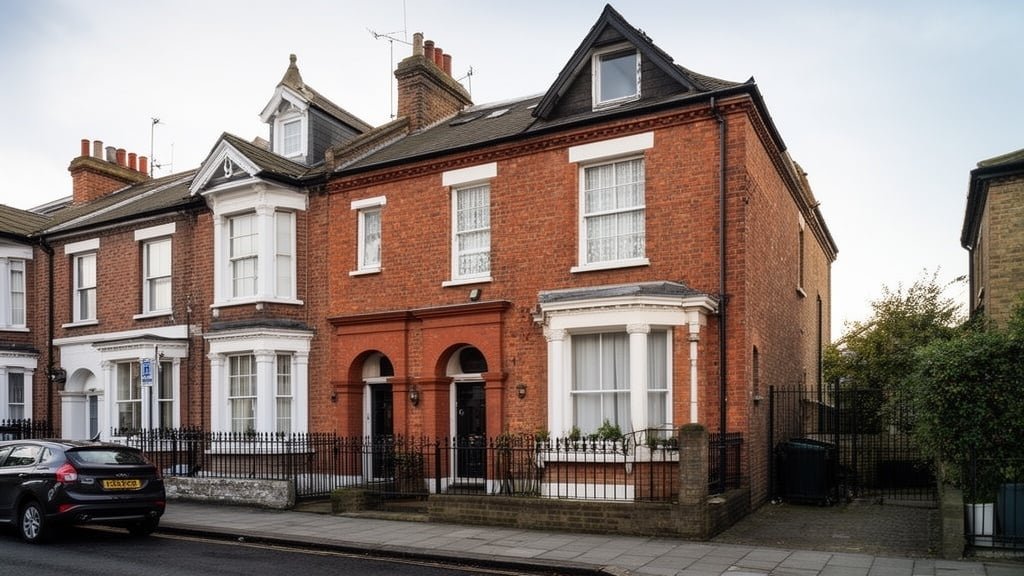
My Home Buyers Survey guides you through surveying Victorian properties (1837-1901). These characterful homes need careful inspection to identify period-specific issues. A Level 3 building survey is usually essential for Victorian houses. See also our Complete Guide to Home Surveys and Period Property Survey Guide.
Why Victorian Houses Need Detailed Surveys
Victorian terraces, semi-detached houses, and villas are hugely popular. They offer period features, high ceilings, and character modern homes can't match. But they're typically 120-180 years old, and age brings problems.
Last year, I surveyed a stunning Victorian terrace in South London. The property looked immaculate - beautifully restored with period features intact. But my Level 3 building survey revealed £45,000 worth of hidden issues including subsidence, failing roof structure, and outdated services.
Victorian homes were built using different materials and methods than modern properties. Understanding these differences is crucial when buying.
Common Victorian House Construction
Solid Wall Construction
Most Victorian houses have solid brick walls (typically 9 inches/225mm thick) rather than modern cavity walls. This makes them more prone to penetrating damp and harder to insulate.
Original Foundation
Victorian foundations are often shallow compared to modern standards - sometimes just 18 inches deep. This makes subsidence more likely, especially on clay soils.
Timber Floors
Ground floors are usually suspended timber rather than concrete. These require ventilation to prevent rot, and airbricks can become blocked over 100+ years.
Slate Roofs
Quality Welsh slate was the standard roofing material. While durable, nails and battens deteriorate over time, requiring re-roofing after 100-150 years.
Lime Mortar and Plaster
Victorian builders used lime-based materials that breathe and flex. Problems arise when later owners repoint with hard cement mortar, trapping moisture and causing damage.
Most Common Victorian House Problems
1. Subsidence and Structural Movement
Victorian properties commonly show subsidence signs due to shallow foundations, clay soils, and tree root damage. Look for:
- Cracking (especially diagonal cracks wider than 3mm)
- Doors and windows sticking
- Sloping floors
- Gaps between walls and ceilings
Typical cost: £5,000-£50,000 depending on severity
2. Rising and Penetrating Damp
Solid walls and aging damp proof courses make Victorian homes susceptible to moisture problems. Original DPCs (if present) may have failed after 100+ years.
Typical cost: £3,000-£10,000 for treatment
3. Roof Issues
After 120-180 years, even quality slate roofs need attention. Common problems include:
- Slipped or missing slates
- Failed valleys and flashing
- Rotten roof timbers
- Inadequate insulation
Typical cost: £8,000-£25,000 for full re-roof
4. Outdated Services
Many Victorian houses still have outdated:
- Electrical wiring (dangerous if pre-1960s)
- Lead or old iron pipes
- Inefficient heating systems
- Poor insulation
Typical cost: £5,000-£15,000 for full update
5. Timber Decay
Woodworm, wet rot, and dry rot are common in Victorian properties, affecting:
- Floor joists and floorboards
- Roof timbers
- Window frames and sills
- Skirting boards and architraves
Typical cost: £2,000-£10,000 depending on extent
Period Features to Check
Sash Windows
Original sash windows add character but often need restoration. Check for:
- Rotten timber (especially sills)
- Broken sash cords
- Missing weights
- Loose putty
- Draughts and poor insulation
Original Fireplaces
Victorian fireplaces are valuable features. Ensure:
- Chimneys are structurally sound
- Flues are lined if in use
- Breasts haven't been removed unsafely
- Surrounds are secure
Cornicing and Ceiling Roses
Ornate plasterwork can hide cracks and structural issues. Check for:
- Cracks indicating movement
- Water damage from roof leaks
- Previous poor repairs
Why Level 3 Surveys Are Essential
For Victorian properties, I always recommend a Level 3 building survey rather than a basic Level 2. Here's why:
Age and Complexity
Victorian houses are complex structures built with unfamiliar materials and methods. A Level 3 survey provides the detailed analysis needed.
Hidden Problems
Period features and later modifications often hide serious issues. Level 3 surveys investigate more thoroughly than Level 2.
Renovation Plans
If you're planning to restore or extend your Victorian property, a Level 3 survey provides crucial guidance on structure and construction.
True Cost Understanding
Level 3 surveys give detailed repair cost estimates, essential for budgeting accurately when buying an older property.
Learn more about choosing between survey levels.
Buying vs Renovating Victorian Properties
Already Renovated
Pros: Move-in ready, work already done
Cons: Premium price, hidden bodged repairs, may lack authenticity
Survey focus: Check renovation quality, ensure no corners were cut
Needs Full Renovation
Pros: Lower purchase price, control over work, potential value increase
Cons: Major expense, living elsewhere during work, unexpected issues
Survey focus: Detailed condition assessment, repair priorities, cost estimates
Good Condition, Minor Works Needed
Pros: Reasonable price, manageable improvements, character retained
Cons: Still requires investment, may uncover more issues
Survey focus: Identify urgent repairs, plan future maintenance
Victorian House Survey Checklist
When your surveyor inspects your Victorian property, they'll examine:
External
- Roof condition (slates, valleys, flashing)
- Chimney stacks and pots
- Brickwork and pointing
- Windows and doors
- Rainwater goods (gutters and downpipes)
- Boundary walls
- Drainage
Internal
- Structural walls and ceilings
- Floor levels and condition
- Damp and moisture
- Period features condition
- Service installations
- Insulation levels
- Ventilation
Specific Victorian Concerns
- Foundation adequacy
- Signs of historical or ongoing movement
- Solid wall damp issues
- Timber condition throughout
- Roof structure integrity
- Pointing type (lime vs cement)
- Modifications and their impact
Conservation Areas and Listed Buildings
Many Victorian properties are in conservation areas or are listed buildings. This affects:
What You Can Change
- Planning permission needed for many alterations
- Must use appropriate materials
- Period features must be retained
- Windows and doors may need specific approval
Survey Implications
- Repairs must use sympathetic methods
- Costs may be higher
- Some modern improvements prohibited
- Heritage considerations in repair advice
Real Victorian Survey Case Study
Tom and Lisa fell in love with a Victorian terrace in Bristol listed at £425,000. It looked perfect during viewings. My Level 3 building survey revealed:
Major Issues Found:
- Subsidence affecting rear extension (£18,000 underpinning needed)
- Roof requiring complete re-covering within 2 years (£15,000)
- Rising damp to 4 walls (£8,000 treatment)
- Electrical rewiring essential for safety (£6,000)
- Rotten floor joists in two rooms (£4,500 replacement)
Total issues: £51,500
Armed with the detailed survey report and repair cost estimates, Tom and Lisa renegotiated. The sellers reduced the price by £40,000. The £950 survey saved them significant money and prevented a disastrous purchase.
Conclusion: Victorian Homes Need Expert Surveys
Victorian properties offer wonderful living spaces full of character, but they need careful assessment before purchase. Don't be seduced by period features without understanding the property's true condition.
Always get a Level 3 building survey for Victorian homes. The detailed inspection and expert advice protect your investment and help you budget accurately for repairs and maintenance.
Victorian houses can be fantastic homes, but only if you buy with eyes wide open, informed by professional survey findings.
Planning to buy a Victorian property? Contact our experienced surveyors for expert assessment and detailed survey reports.
Buying a Victorian Property?
Get a Level 3 survey from our experienced period property specialists.
Book Your Survey